

Historical Background
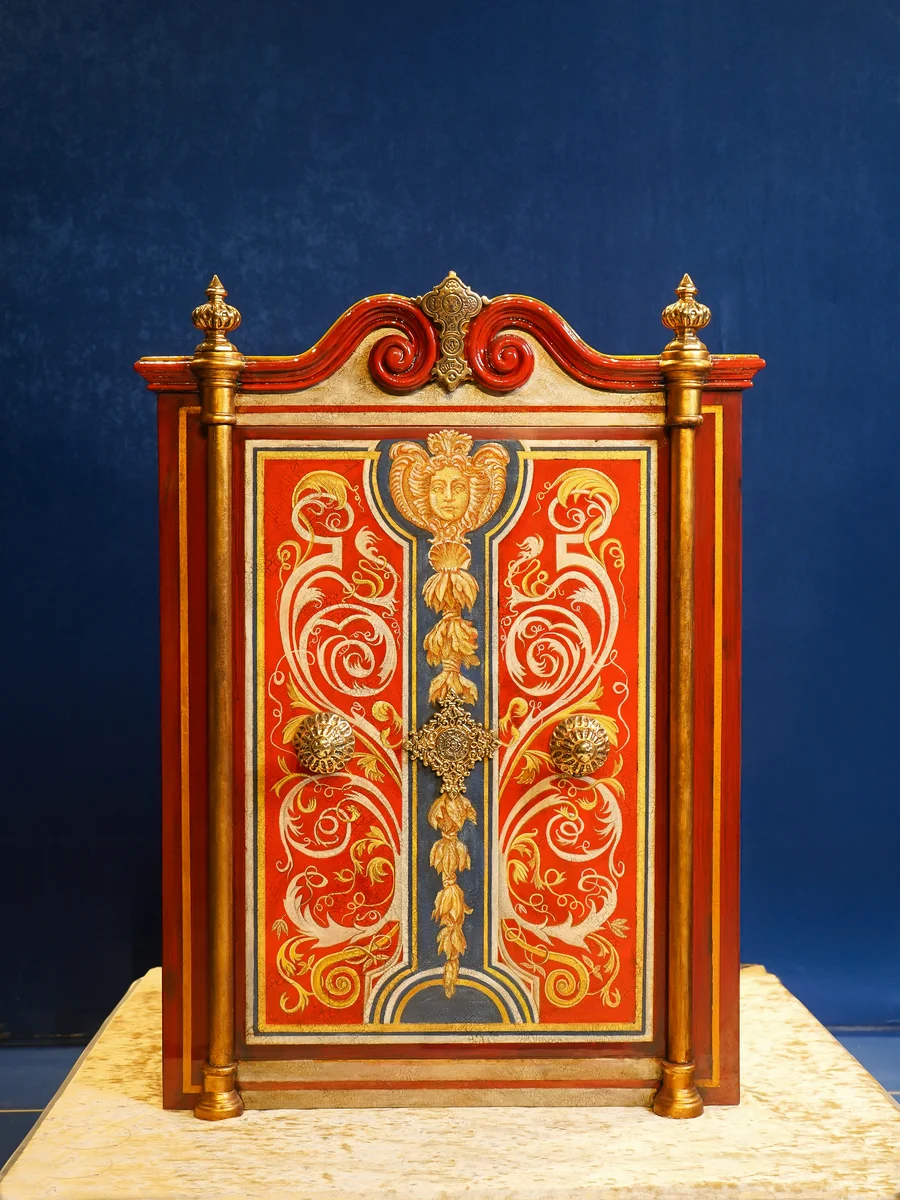
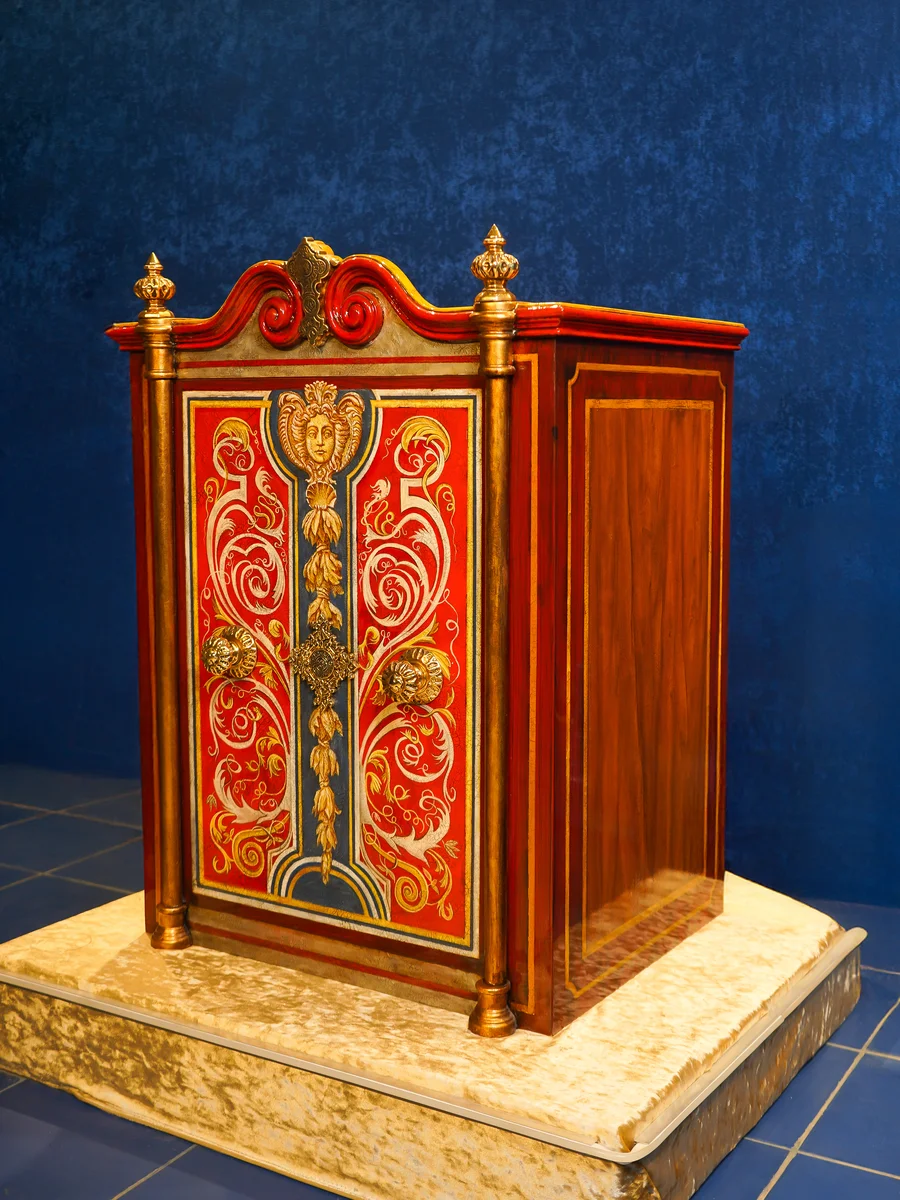
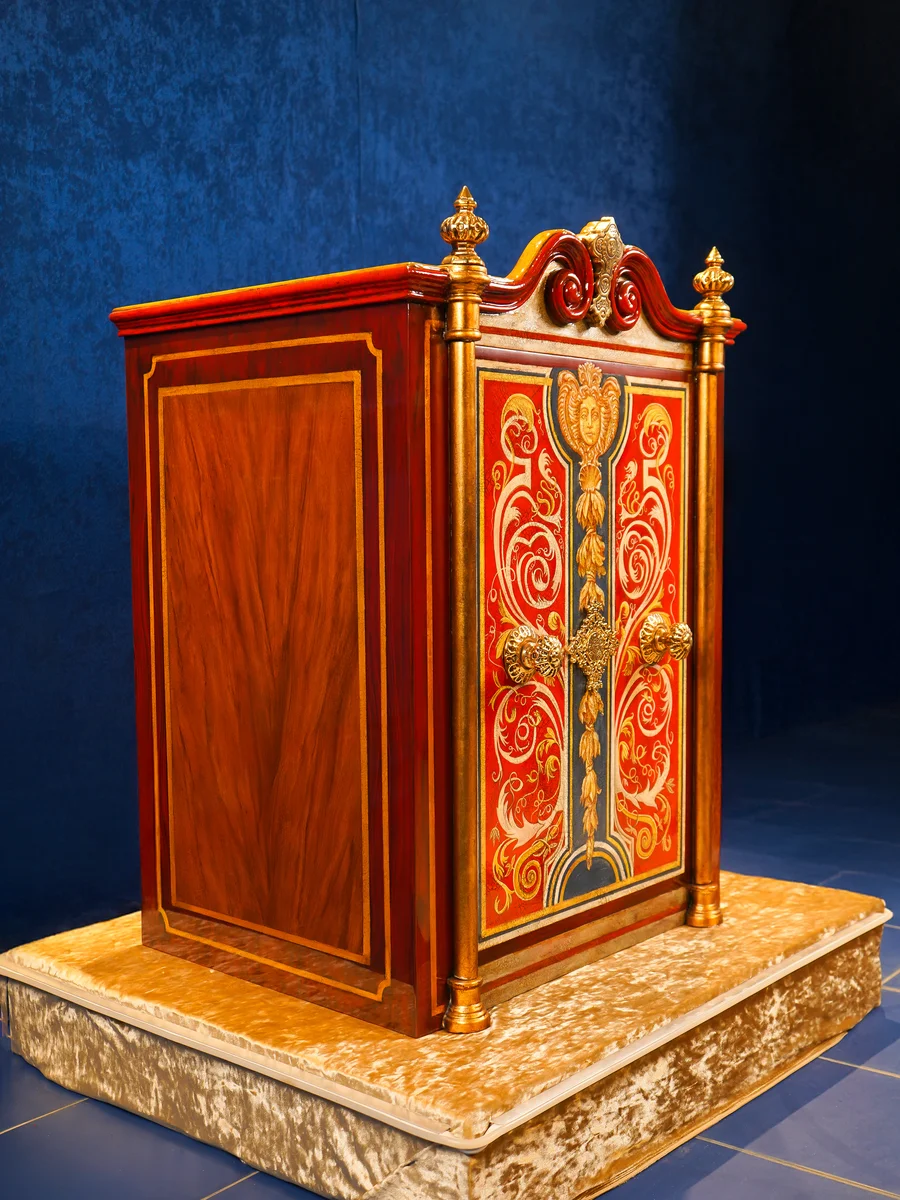
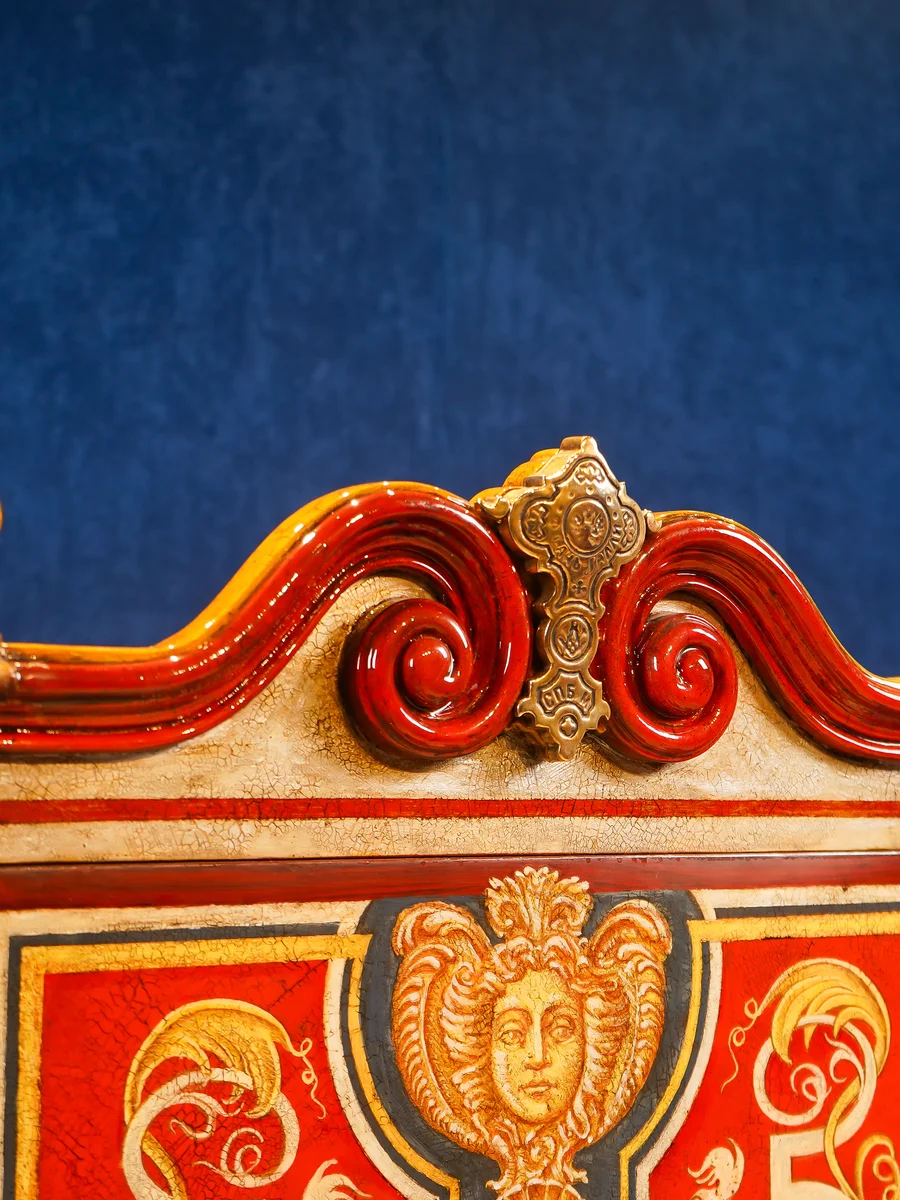
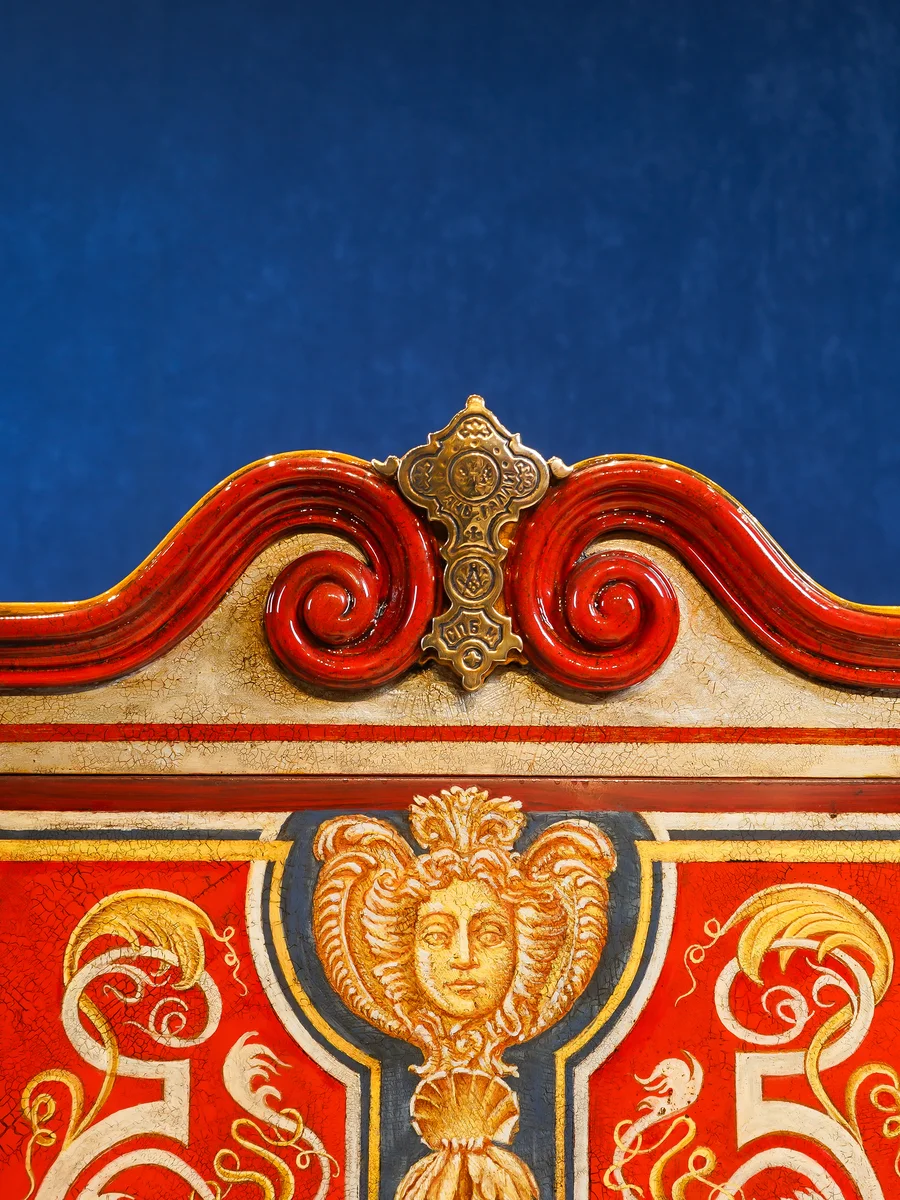
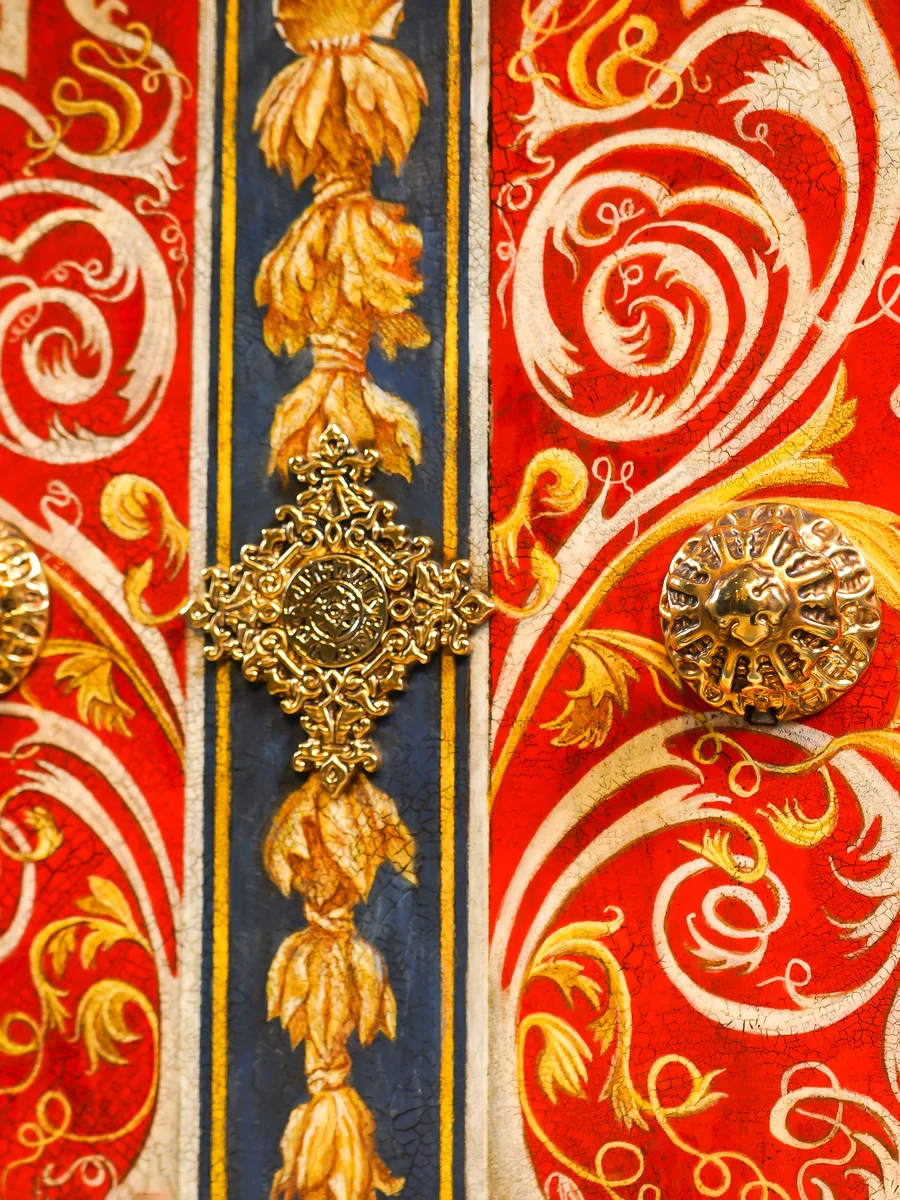
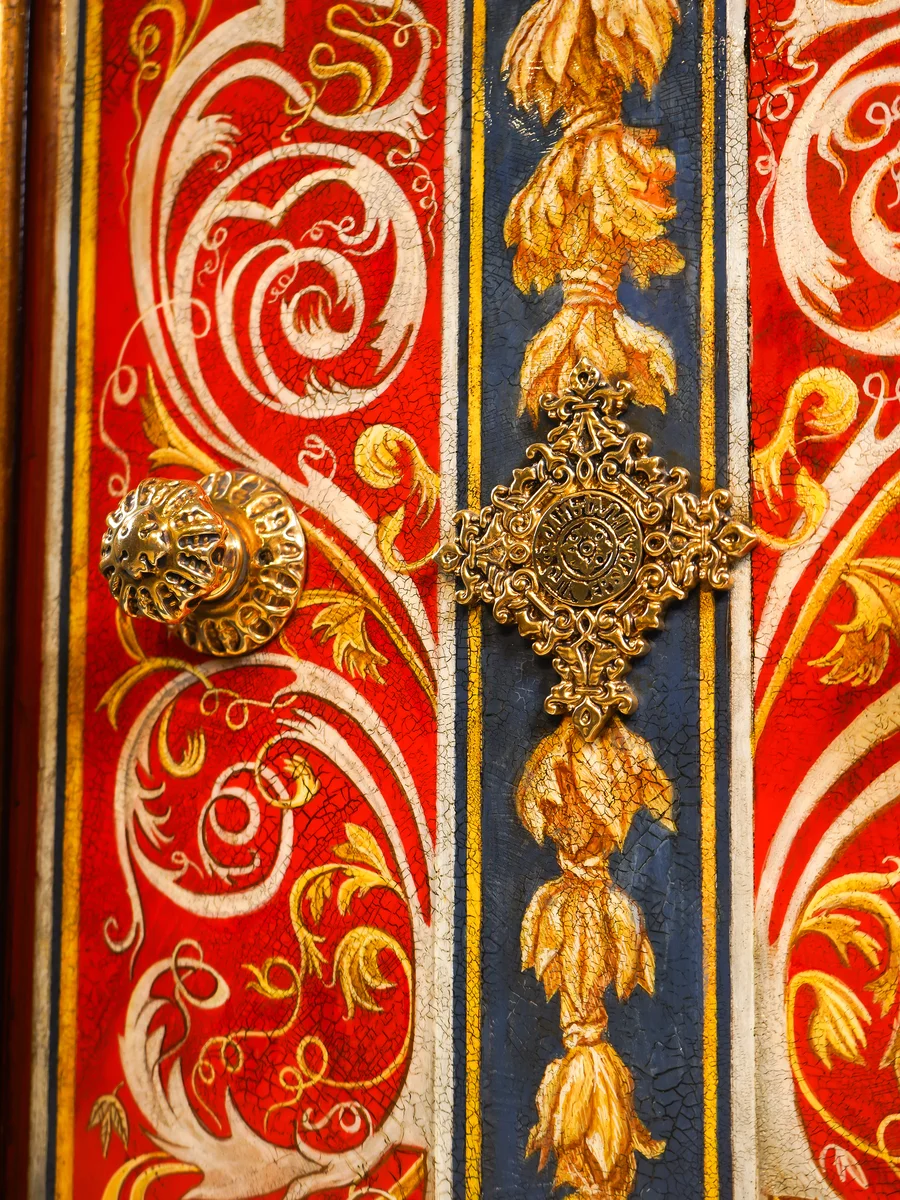
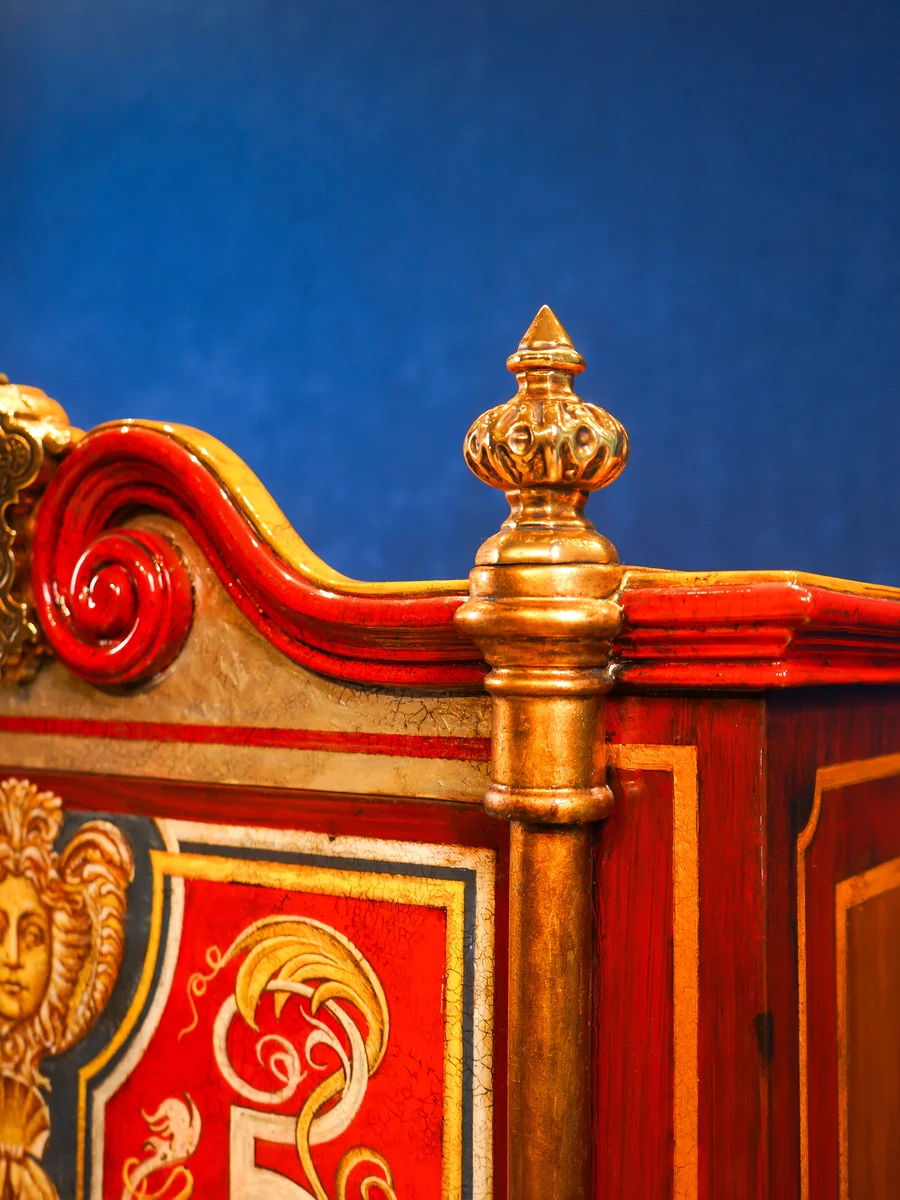
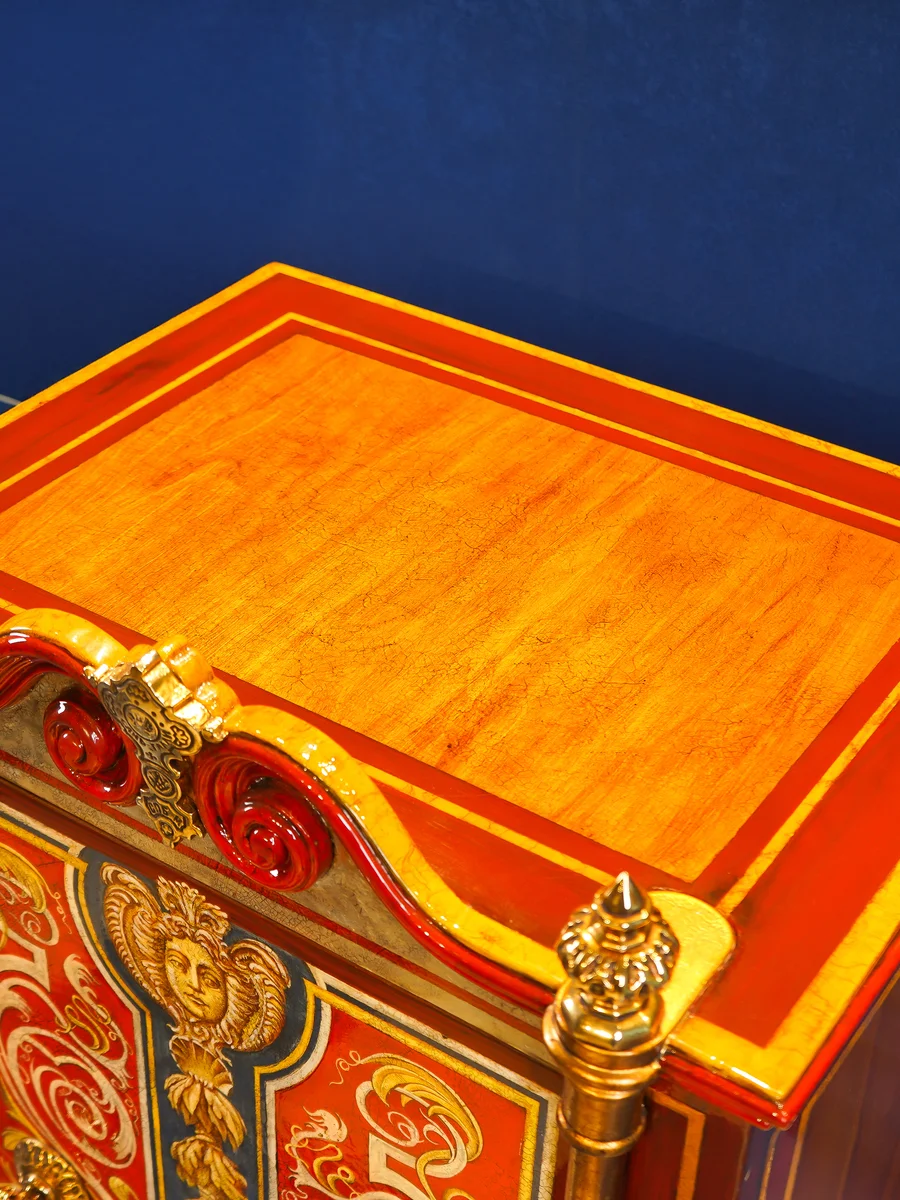
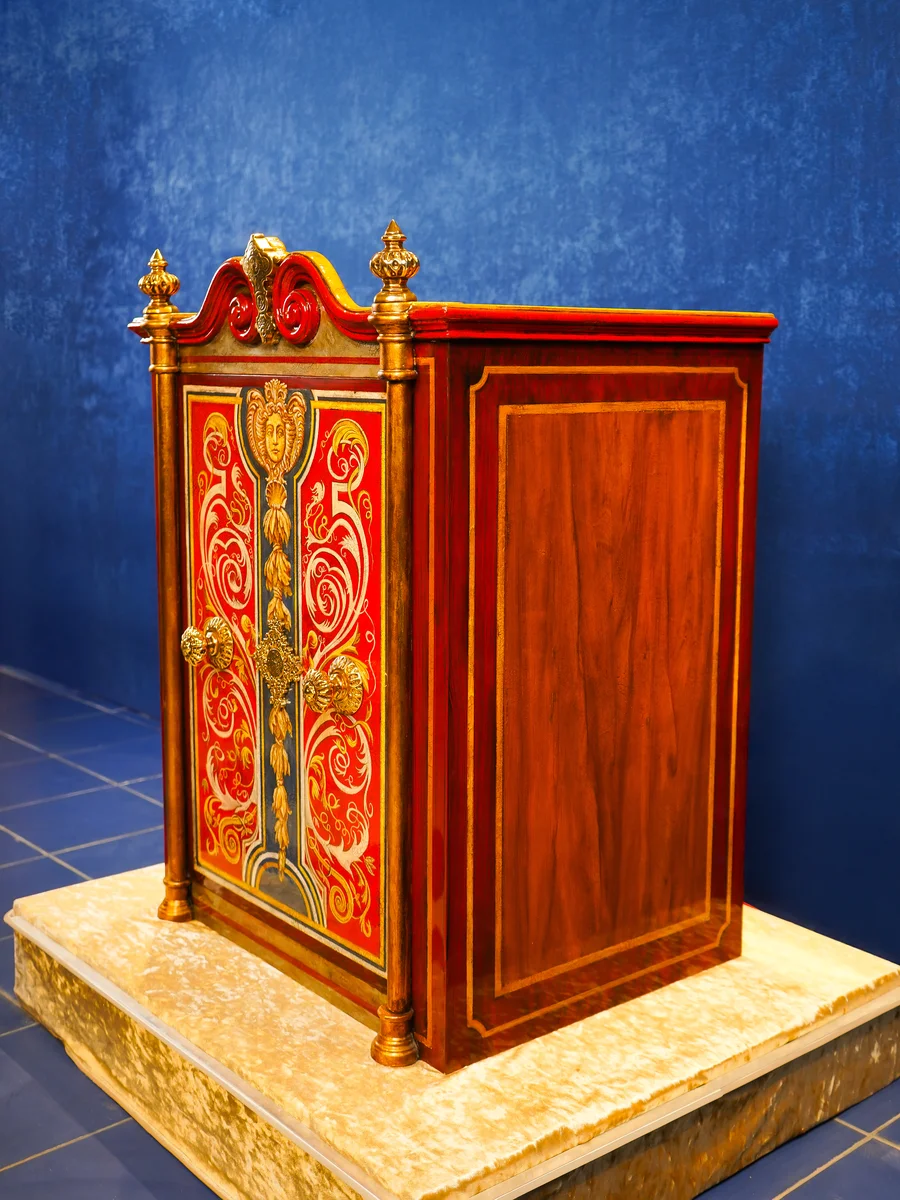
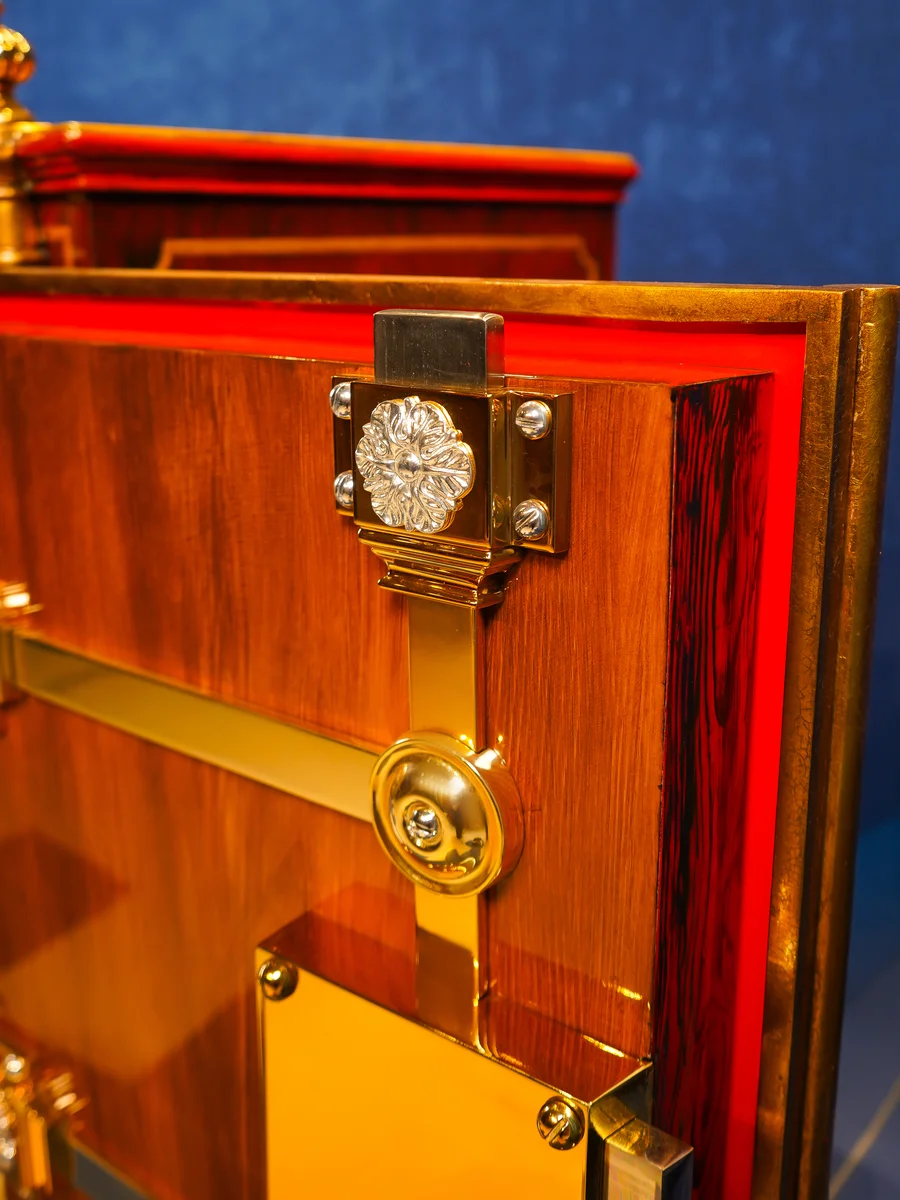
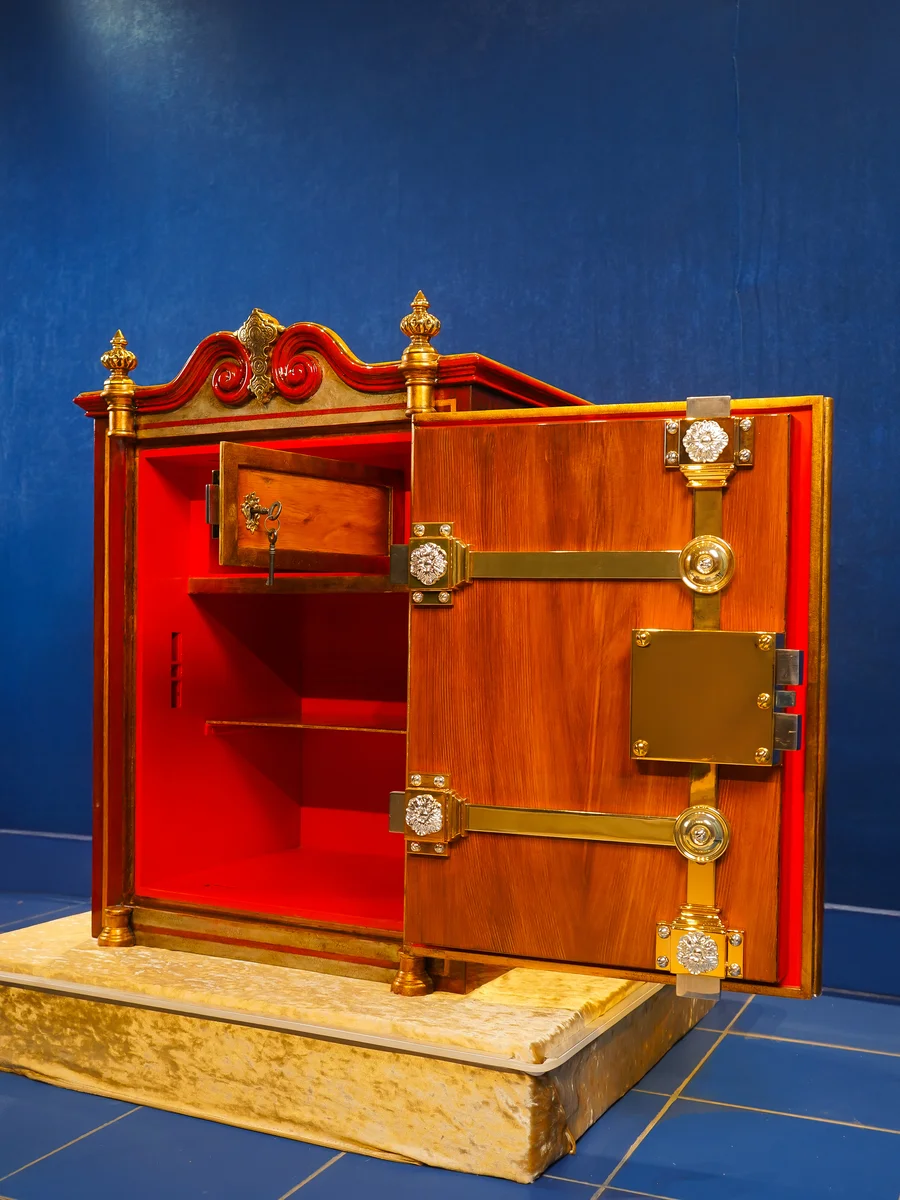
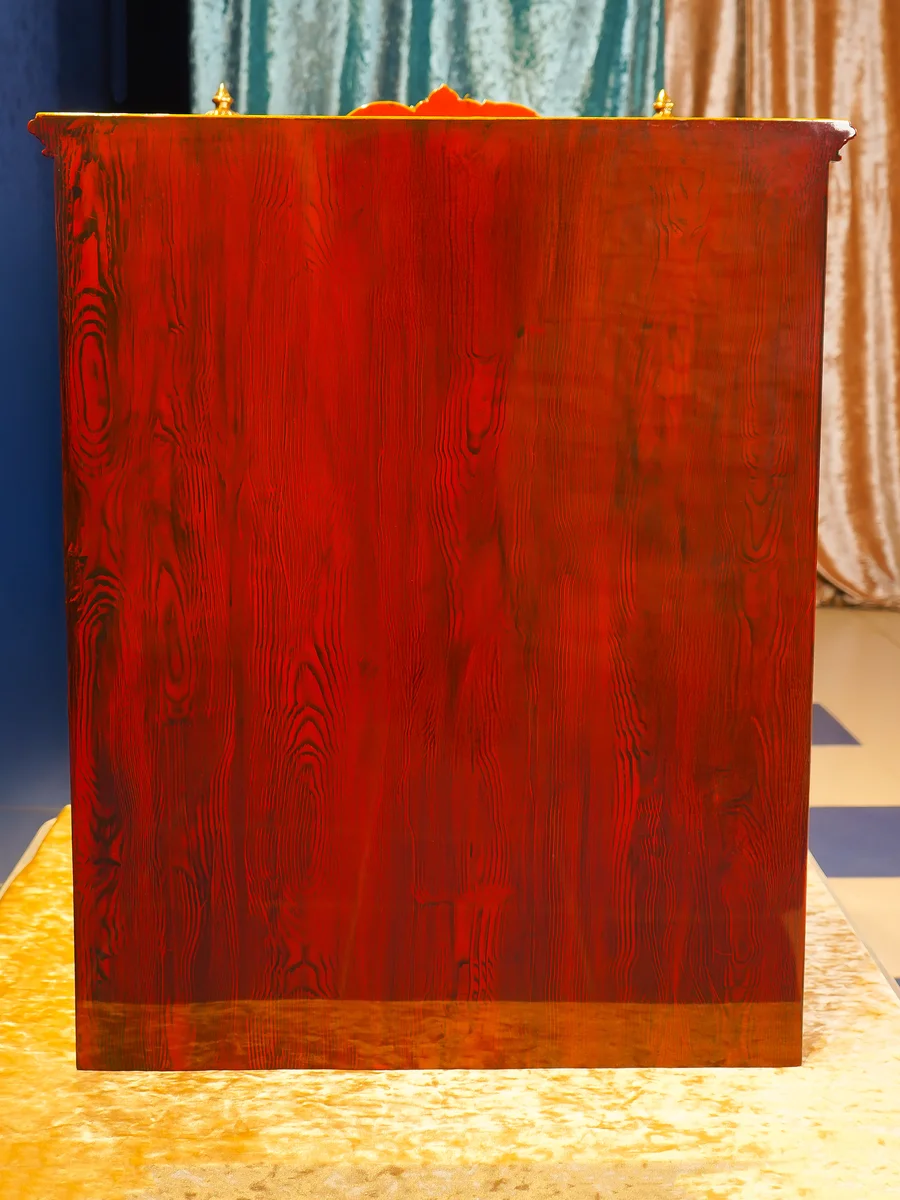
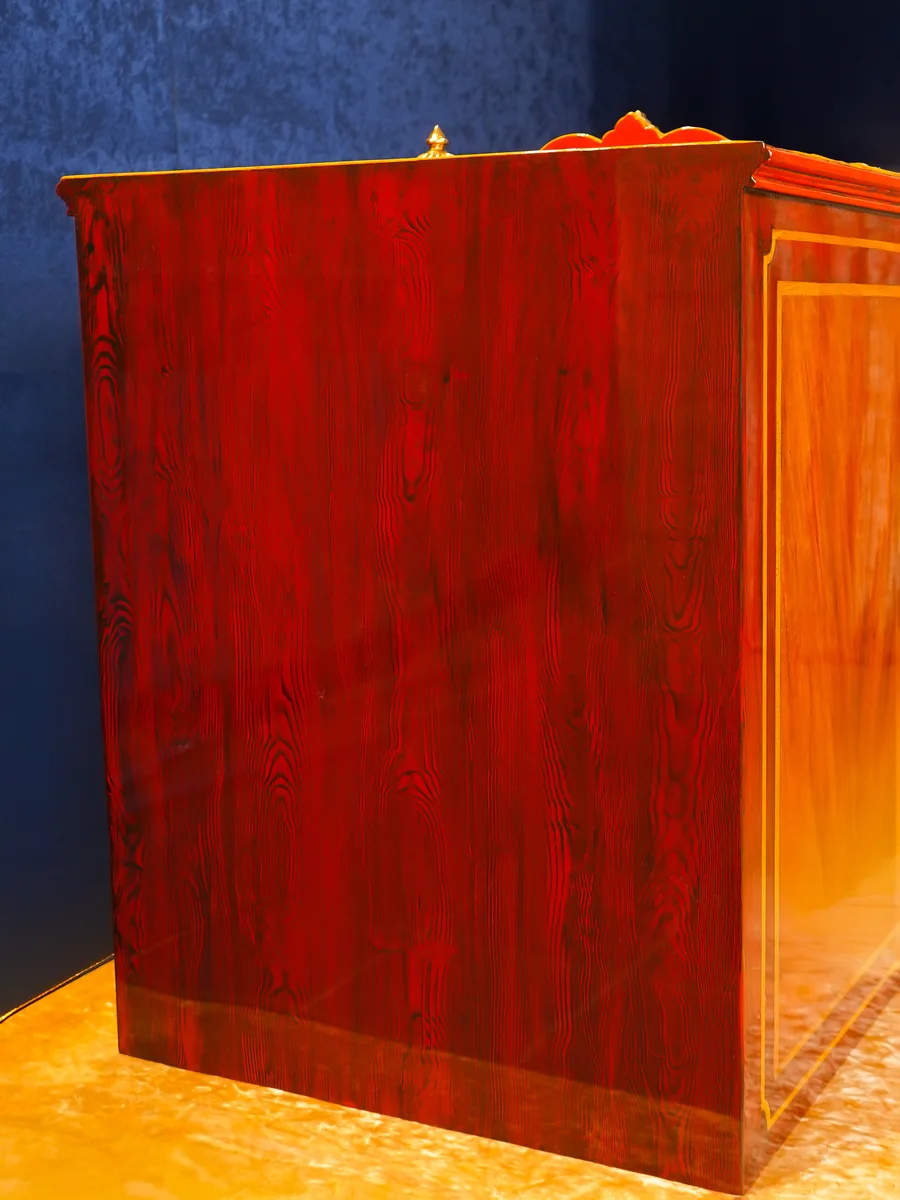
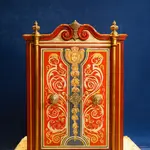
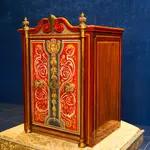
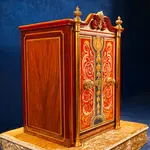
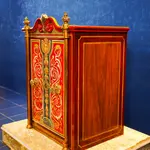
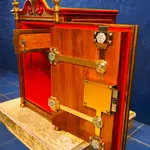
The “Hermann” safe was created in 1872 at the Wagner brothers’ factory in Riga. It is a unique combination of German reliability and Russian aesthetics. Each Wagner safe was unique — they were made to individual orders and decorated with carvings and inlays.
The safe belonged to Hermann Stolz, a Riga merchant who used it to store amber items. During World War I, the safe was hidden in the basement of the Dome Church, where it was discovered in the 1990s. The amber inlay has been preserved in pristine condition.
Technical Specifications
- Manufacturer: Wagner Brothers Factory (Riga)
- Year of Manufacture: 1872
- Weight: 830 kg
- Material: Wrought iron, oak panels
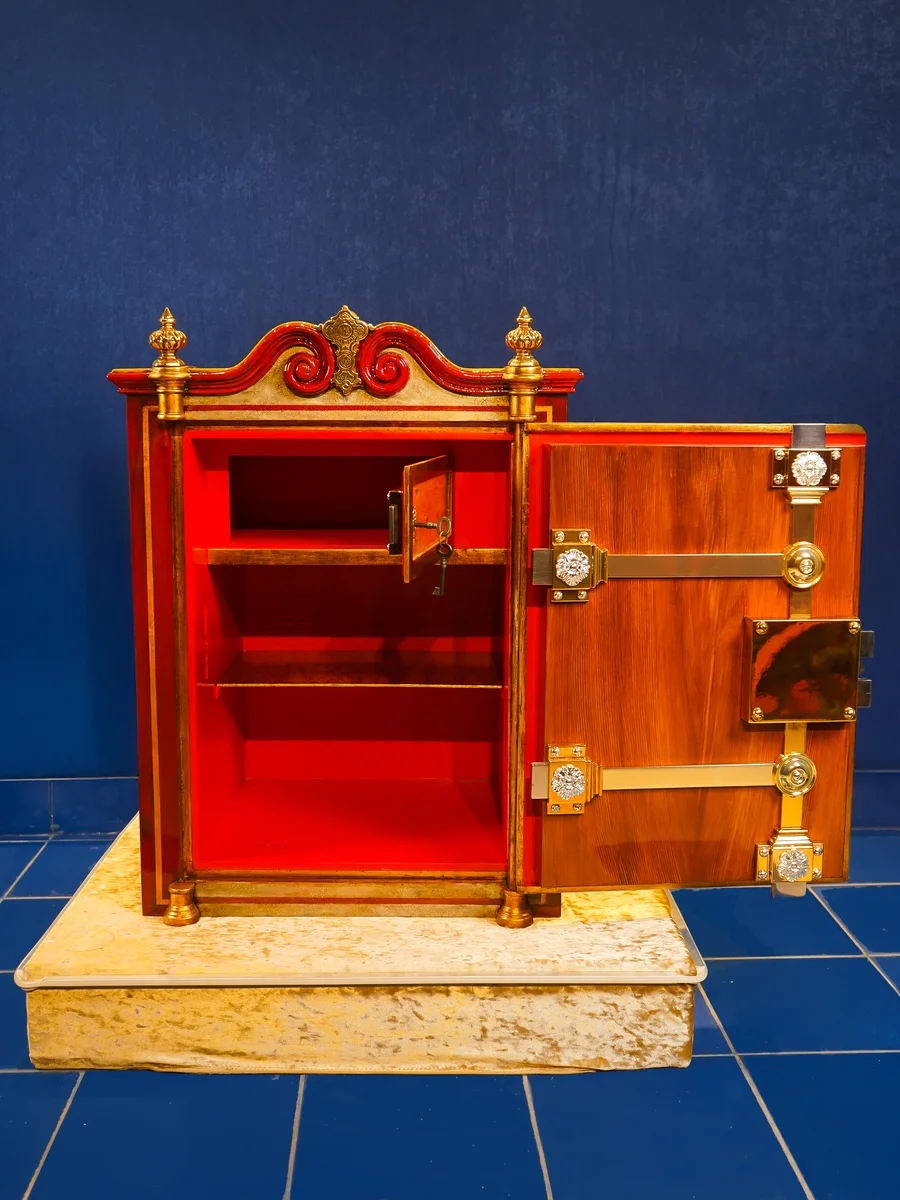
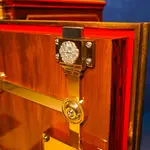
- Lock Type: Lever lock, handcrafted
- Condition: Restored, inlay preserved
Design Features
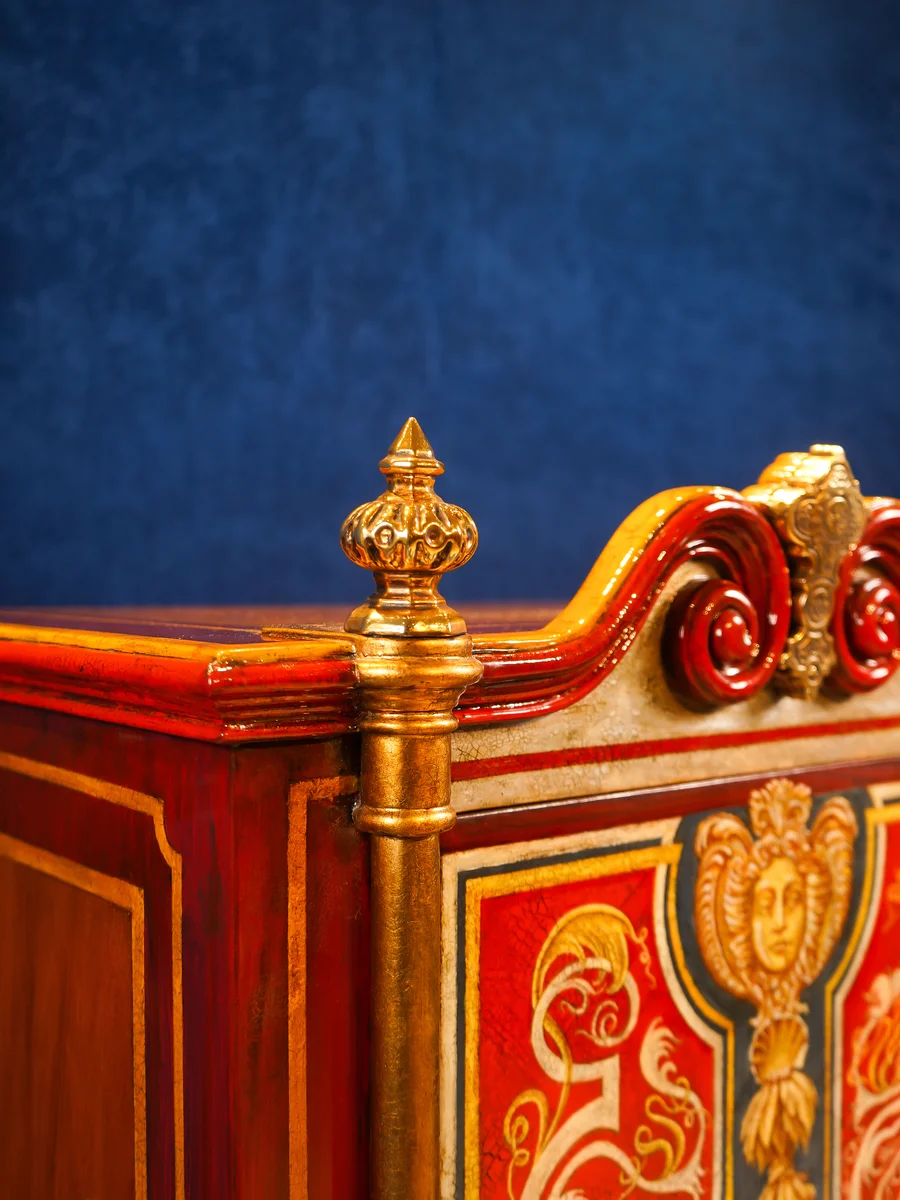
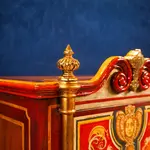
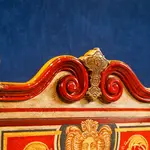
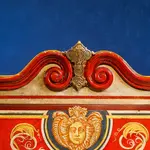
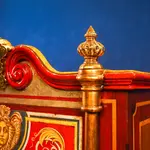
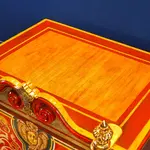
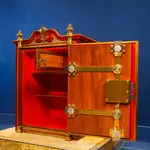
“Hermann” is a masterpiece of blacksmithing and woodworking. Wrought iron, oak panels, and amber inlay — all of this makes the safe a unique work of art.
Key Features:
- Inlaid with Baltic amber — Over 50 amber inserts, each with a unique shade.
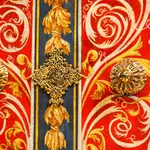
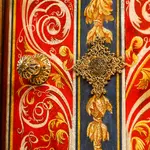
- Hand-forged iron — Every detail is hand-forged using traditional techniques.
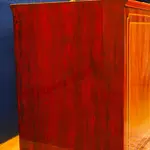
- Oak panels with carvings — The panels are adorned with biblical scenes.
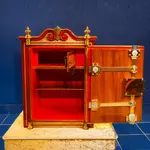
- Lever lock with 6 levers — A complex system ensuring reliable protection.
Interior
The interior is finished in oak with velvet inserts. It includes compartments for amber items, jewelry, and documents. The door features a metal plate with the owner’s name.
Why Purchase This Safe?
- Uniqueness — A safe inlaid with amber is unparalleled.
- Riga Heritage — Linked to the history of Latvia and Russia.
- Artistic Value — A combination of blacksmithing and woodworking.
- Investment Appeal — The value of such safes is constantly rising.
The “Hermann” safe is a unique combination of art, history, and engineering. Acquiring it is an opportunity to own a true treasure that will delight the eye and serve faithfully.