

Historical Background
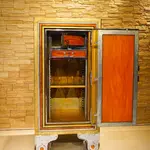
The “Bastille” safe was created in 1925 for the Parisian jewelry house Cartier. This was the heyday of Art Deco and French engineering. Fichet, founded in 1825, was the trendsetter in the world of safes. The patented Fichet 440 system with 6-way locking became the standard for jewelry houses and banks.
In 1940, during the occupation of Paris, the safe was evacuated to London and returned to Paris in 1945. It preserved all the jewelry, which attests to its exceptional reliability.
Technical Specifications
- Manufacturer: Fichet (France)
- Year of Manufacture: 1925
- Weight: 540 kg
- Material: Armored steel
- Lock Type: Fichet 440 (patented)
- Condition: Original condition, mechanism perfect
Design Features
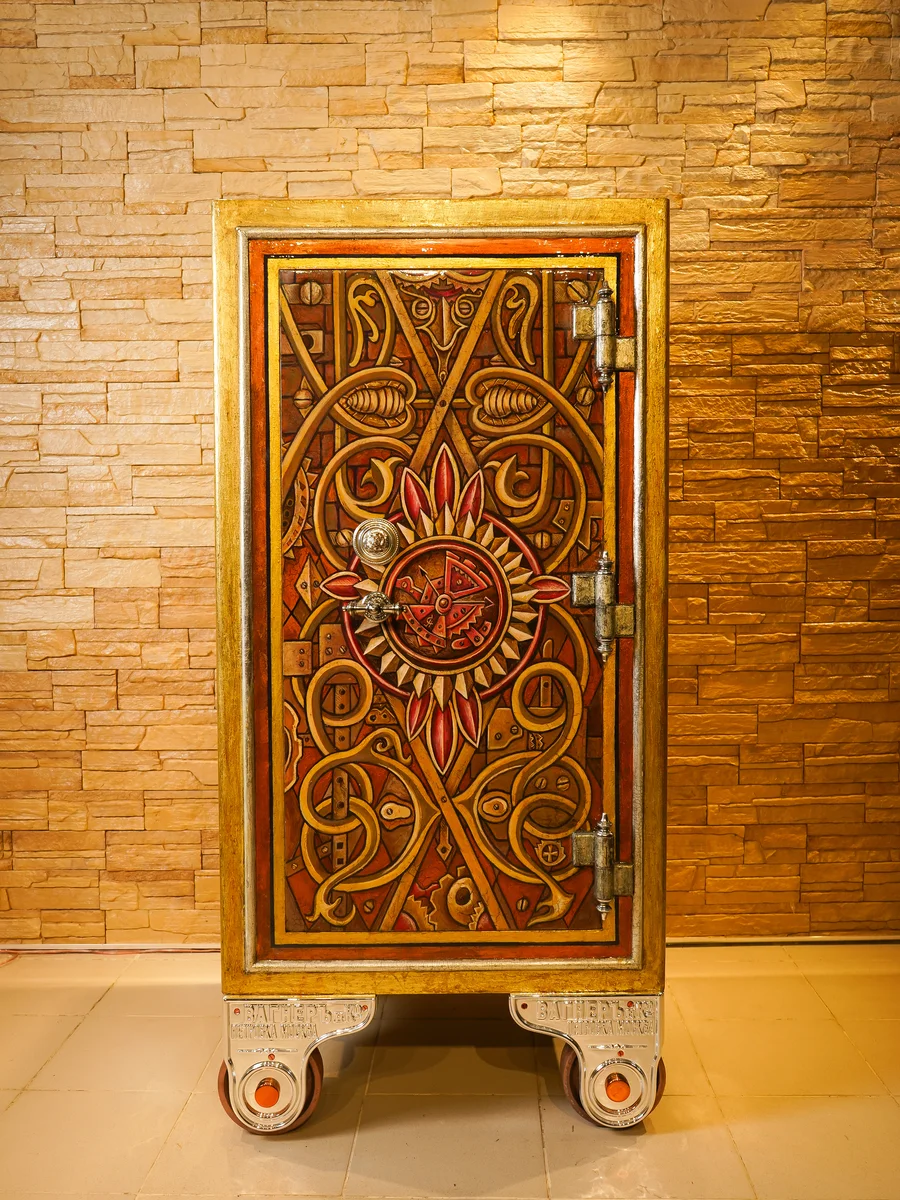
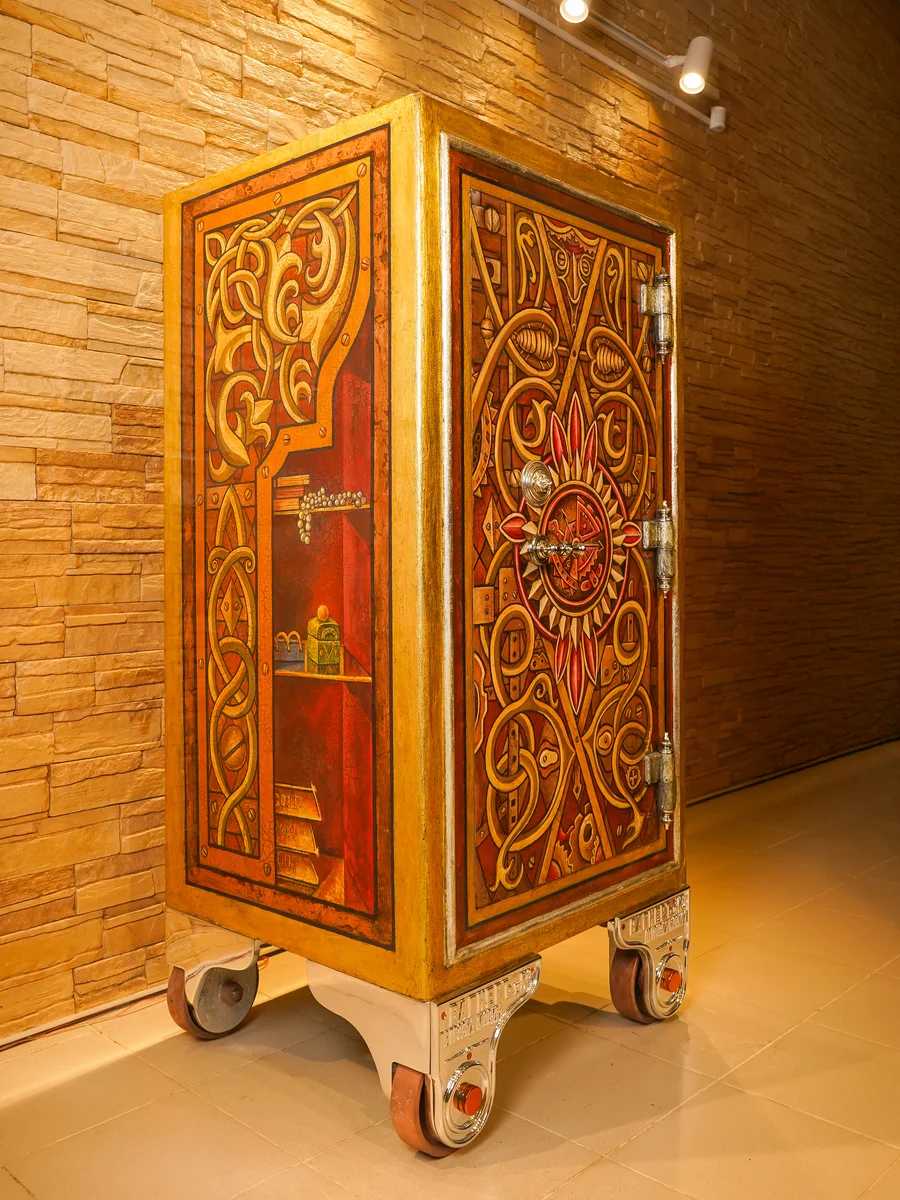
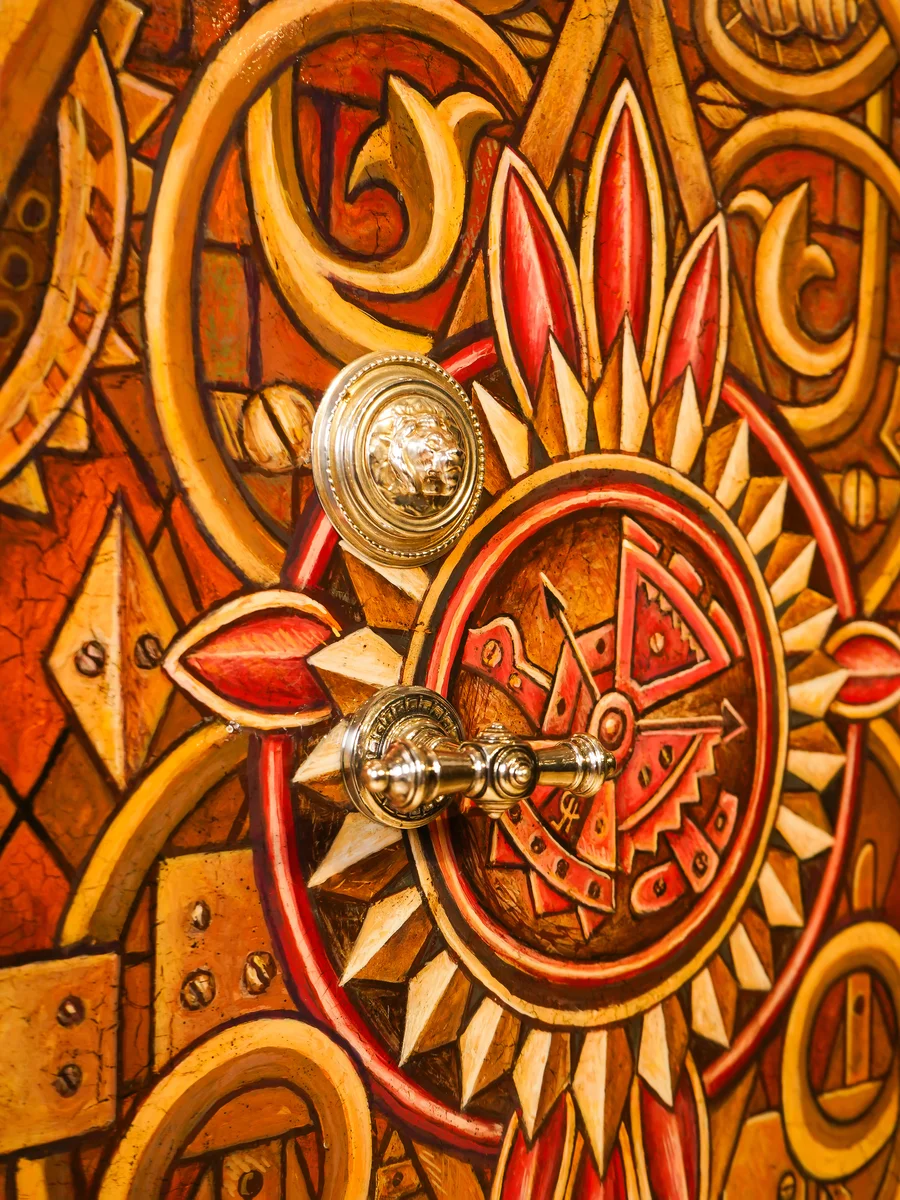
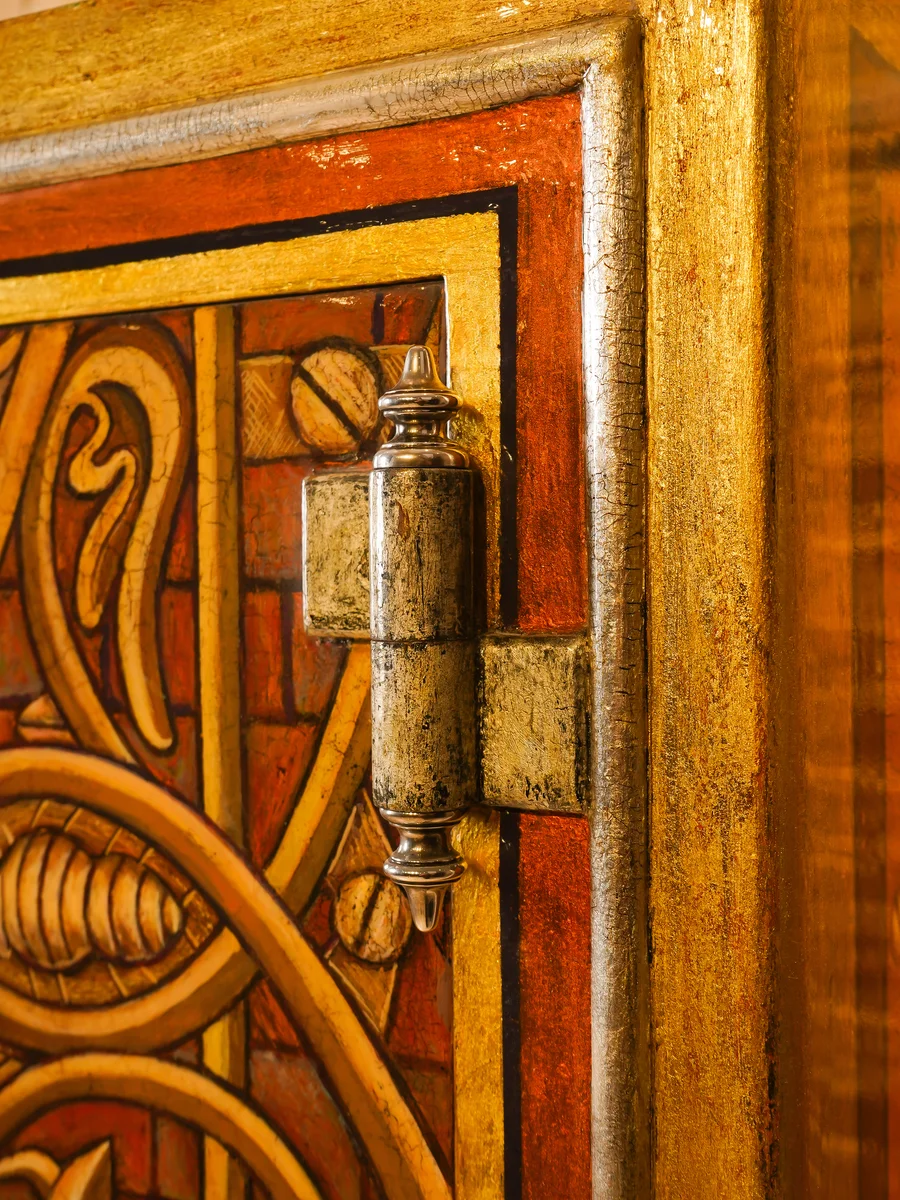
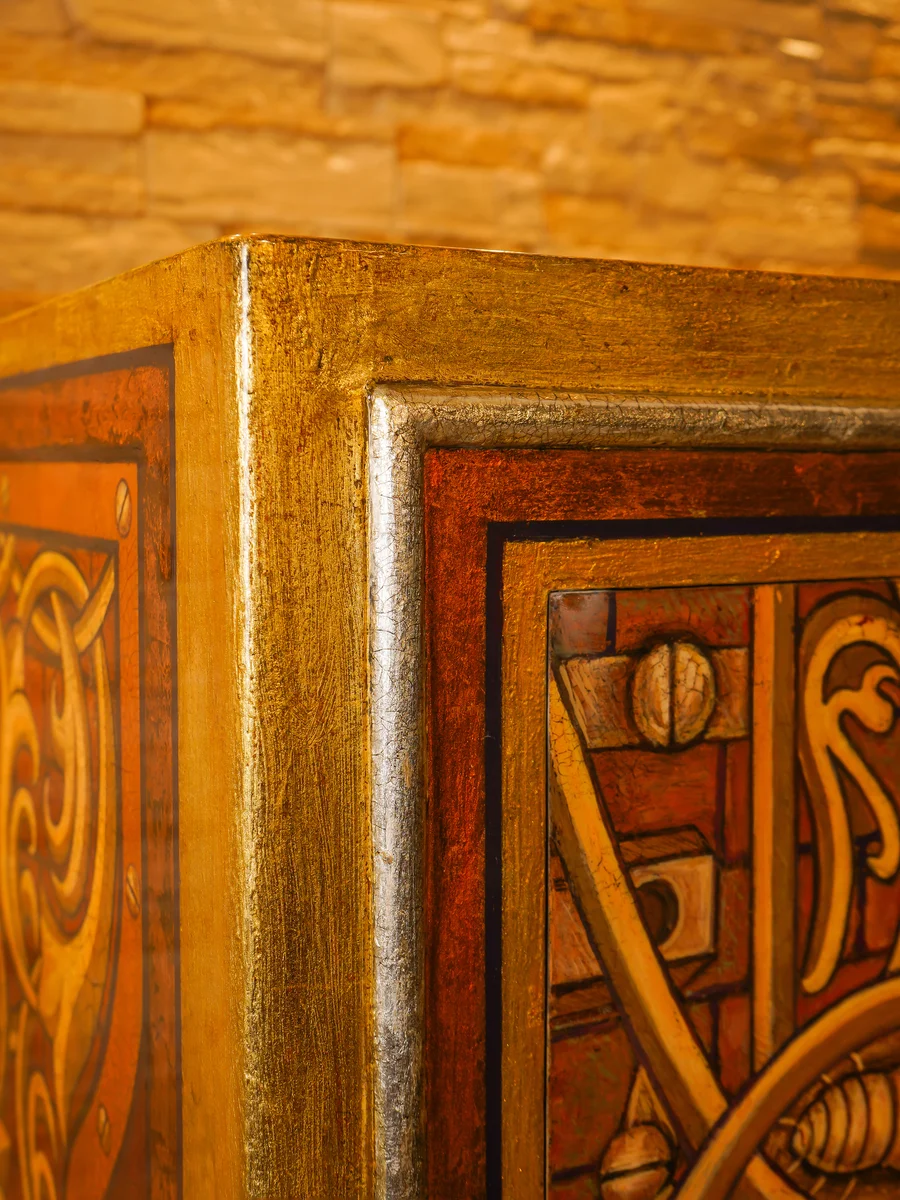
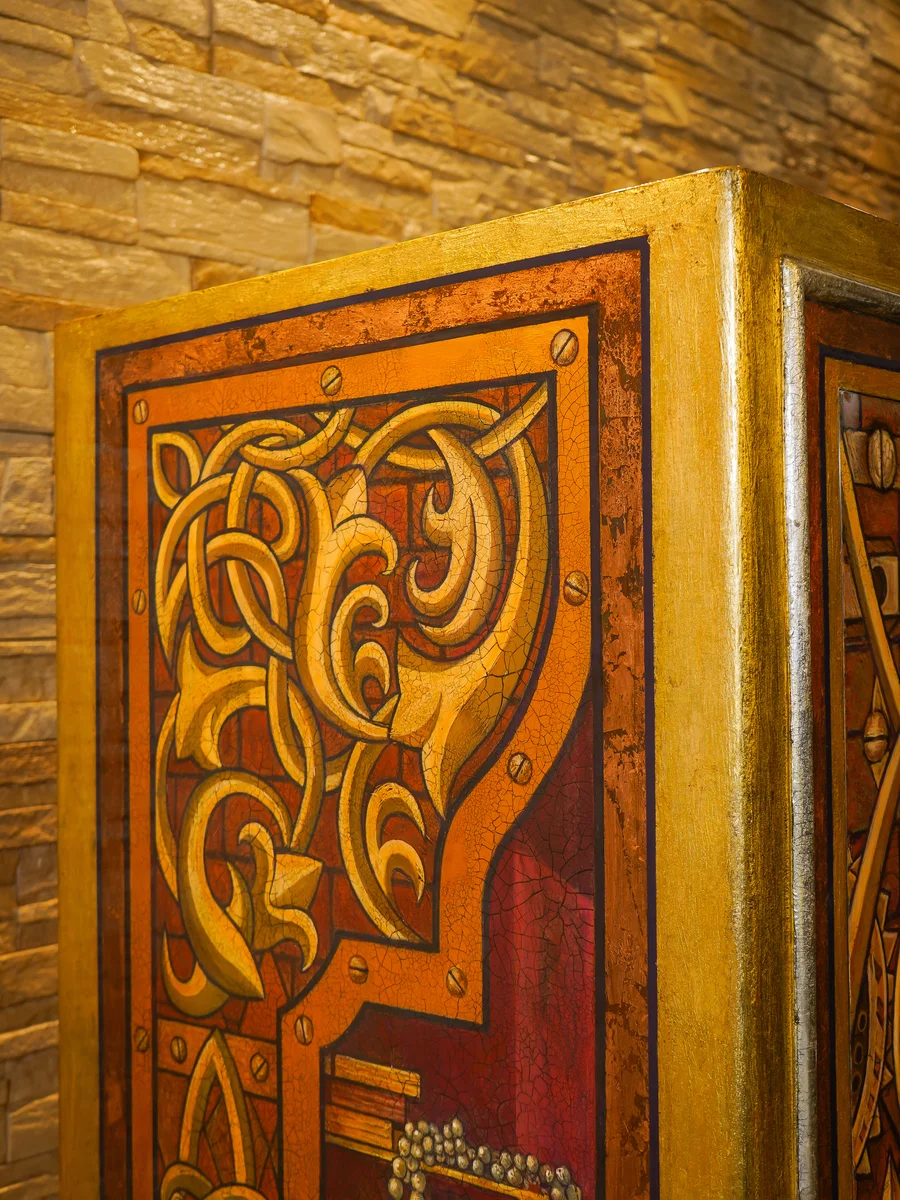
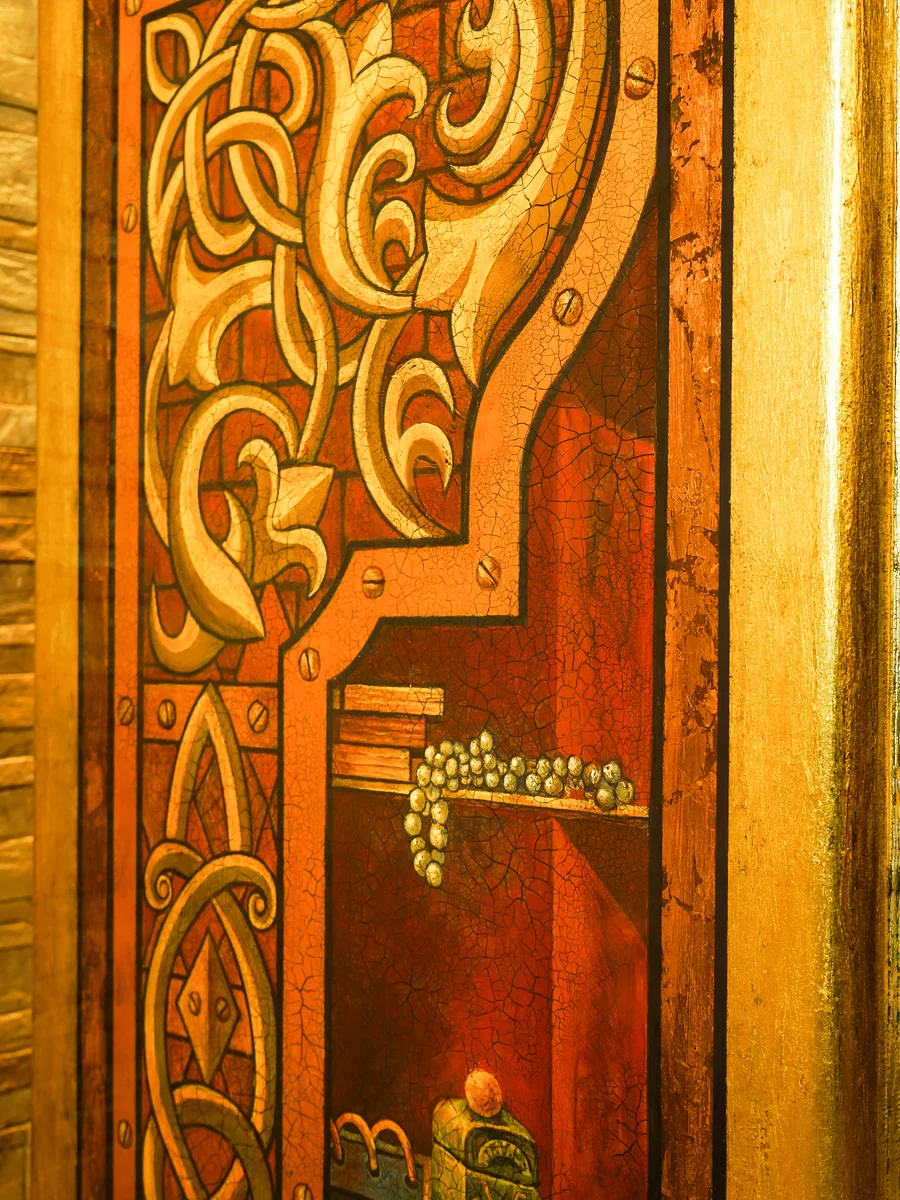
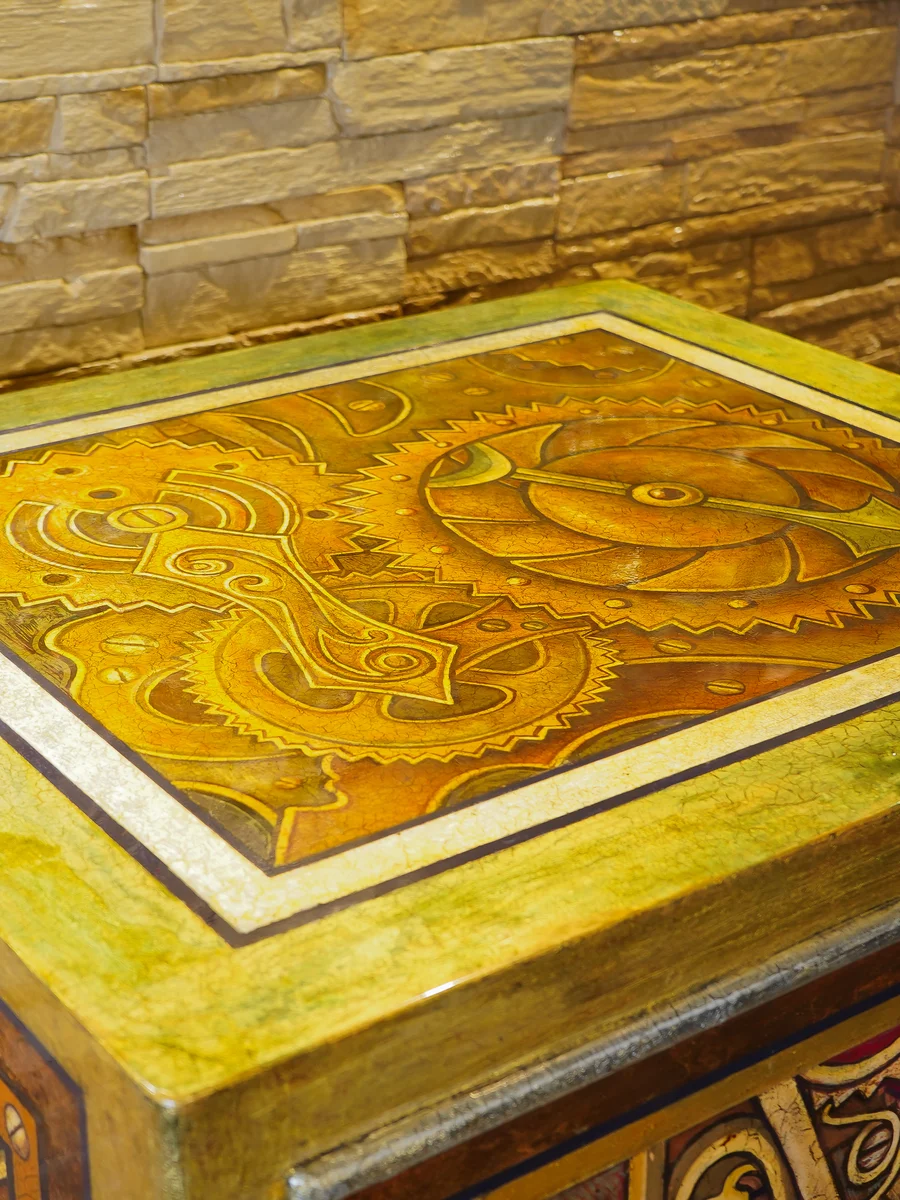
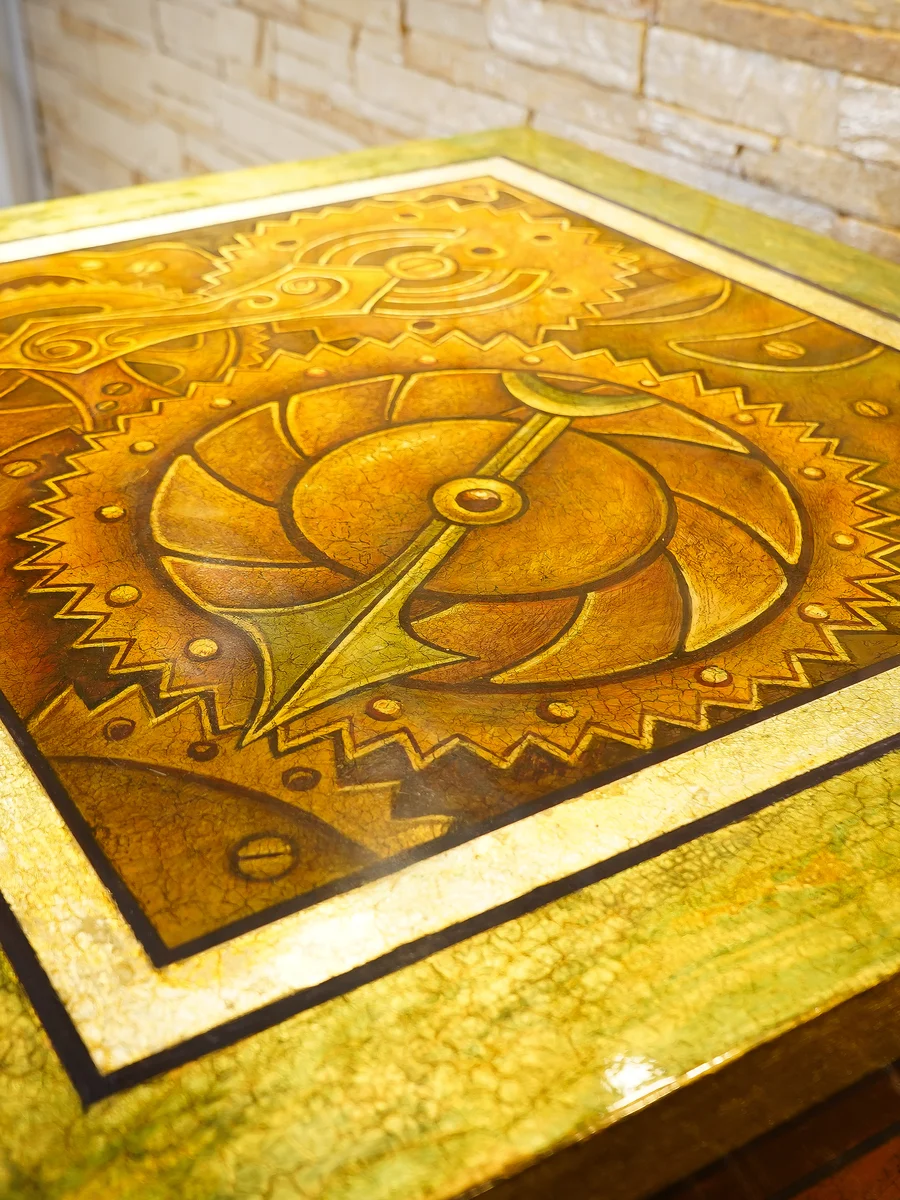
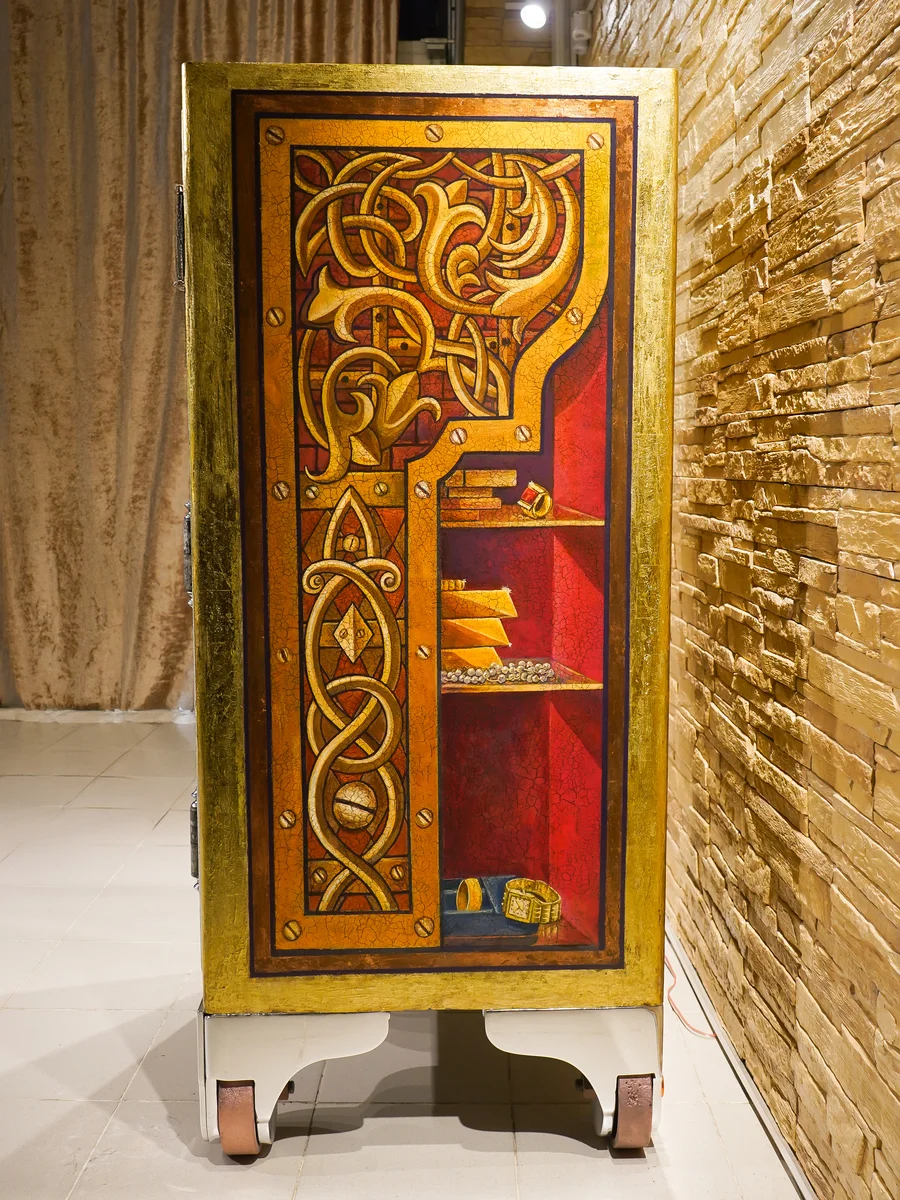
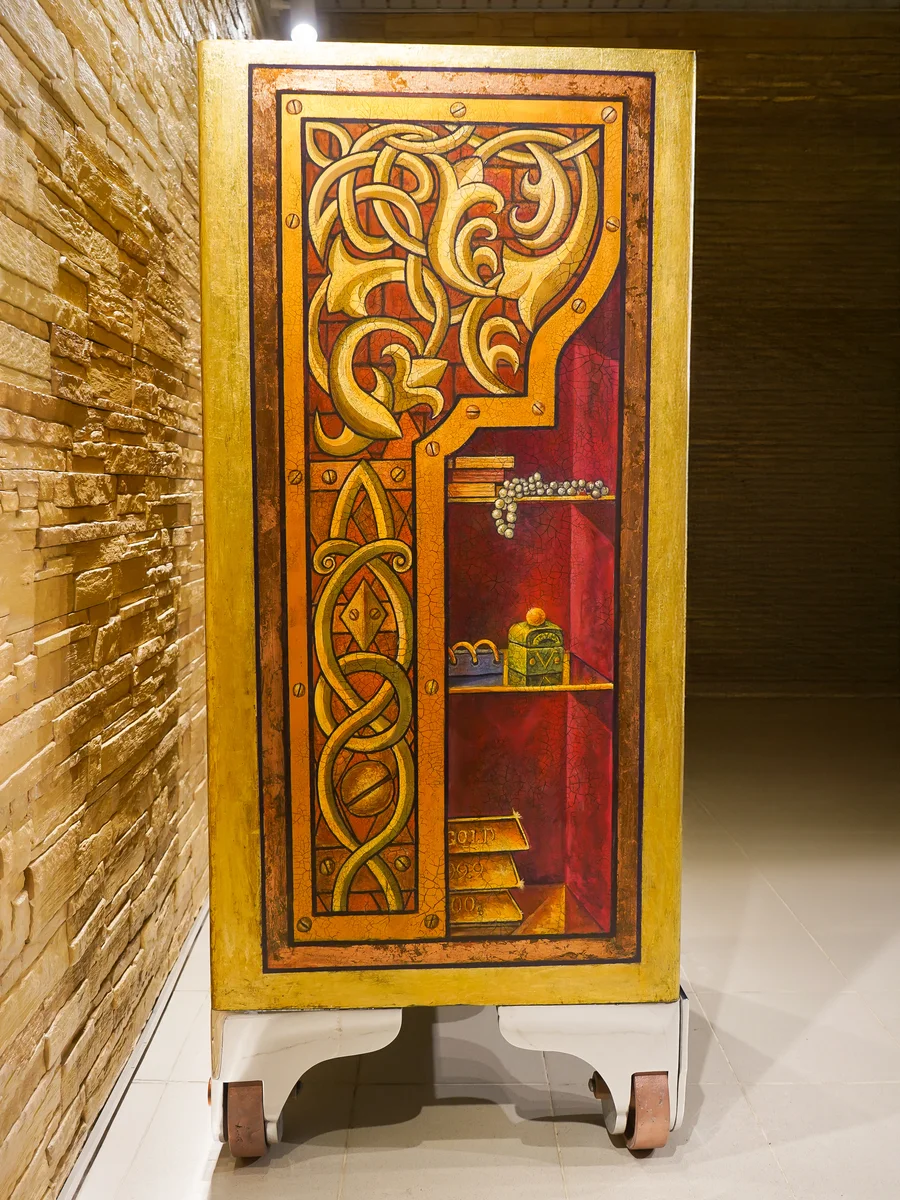
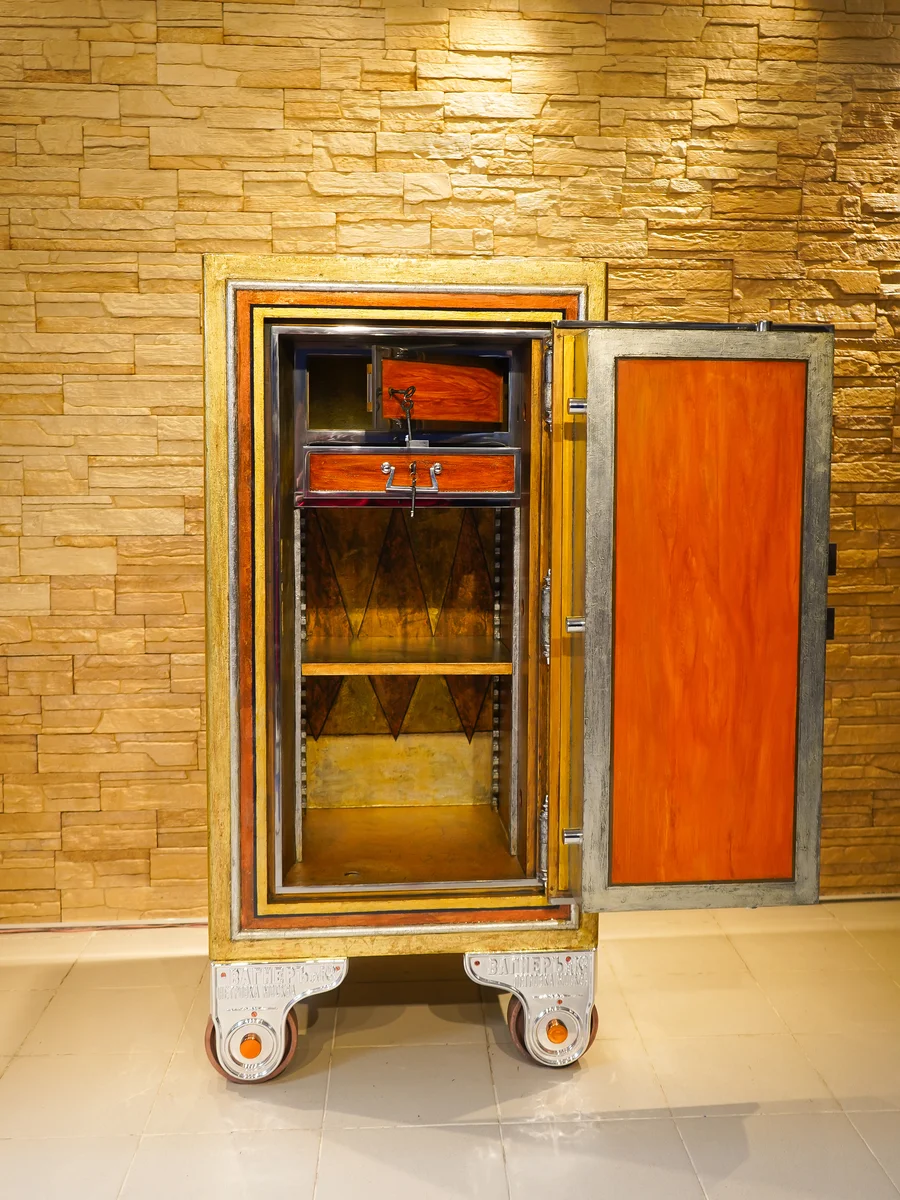
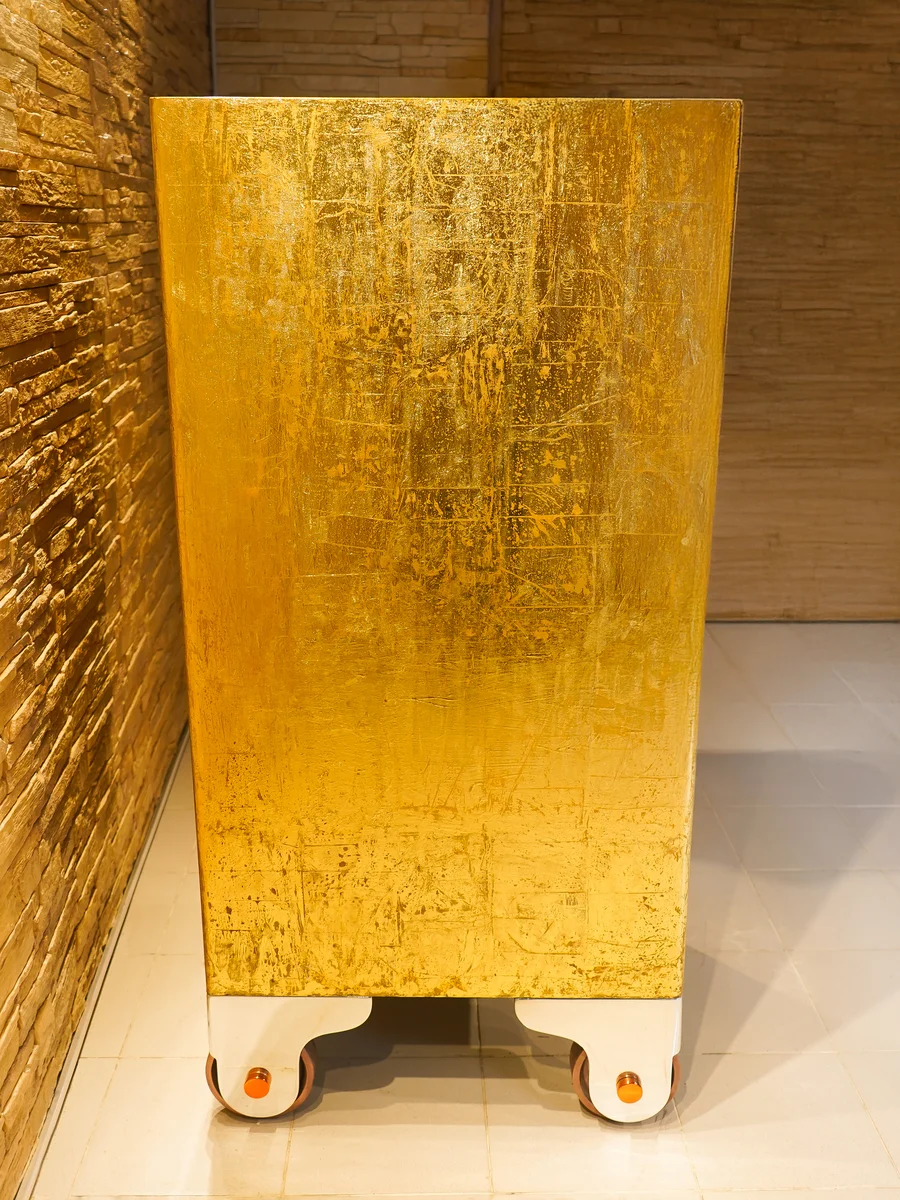
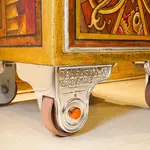
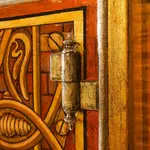
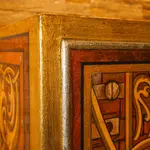
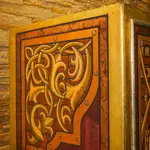
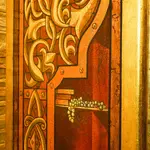
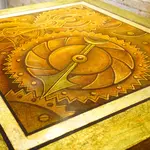
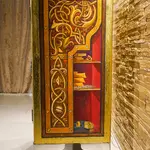
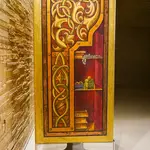
The “Bastille” safe is distinguished by its elegance and reliability. The chromed handles, geometric ornamentation, and flawless mechanism all speak to the high level of French manufacturing.
Key Features:
- 6-way locking — The safe locks from all six sides, making it nearly invulnerable to break-ins.
- Patented Fichet 440 mechanism — A unique system with 12 bolts, ensuring maximum protection.
- Chromed art-deco handles — Exquisite 1920s-style design.
- Certificate of authenticity from Cartier — Confirms the safe’s origin and history.
Interior
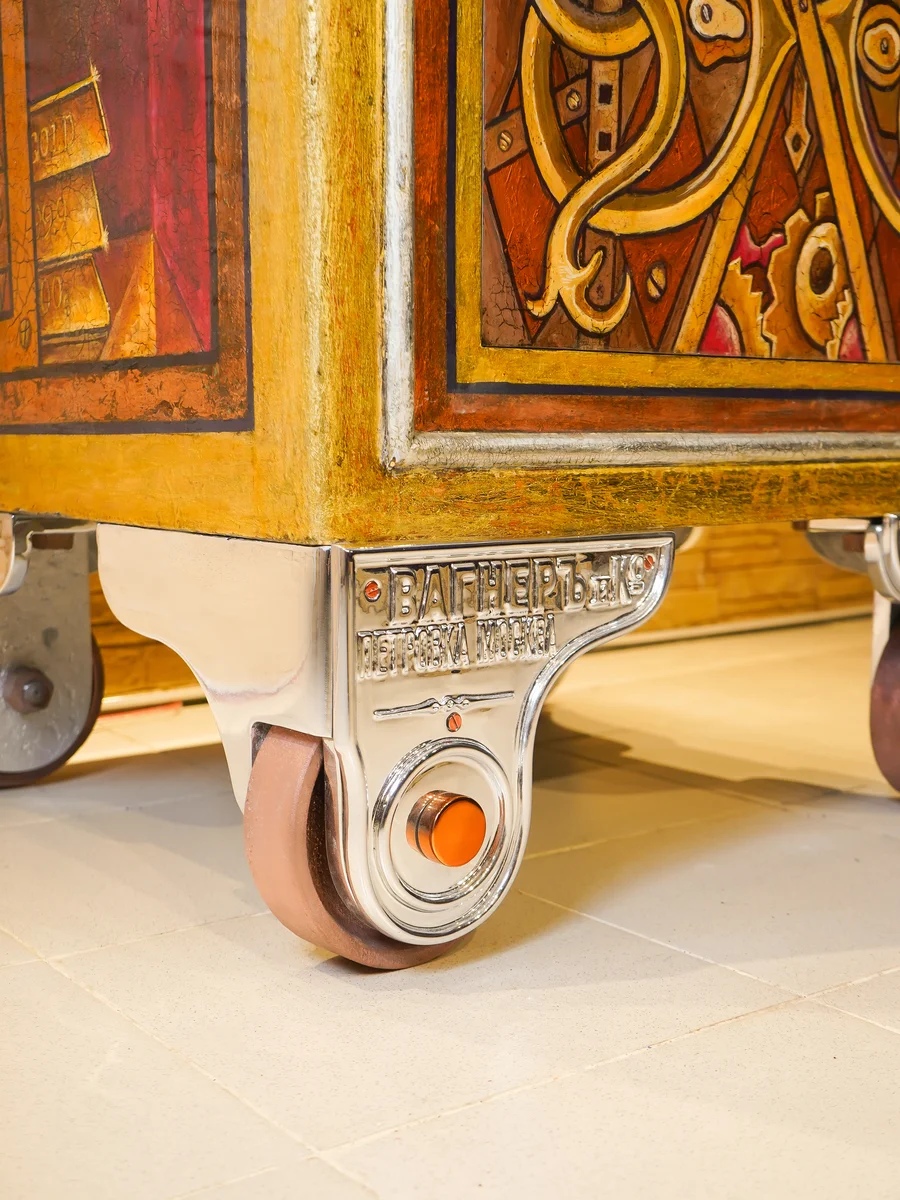
The interior is lined with black velvet and gold inserts. It includes special compartments for jewelry, watches, and precious stones. The door bears the engraving “Fichet Paris”.
Why Purchase This Safe?
- French Quality — One of the best manufacturers in the world.
- Jewelry Origin — Associated with the House of Cartier.
- Elegant Design — Fits into any interior.
- Reliability — Proven by time and testing.
The “Bastille” safe is not just a safe, but a work of art. Acquiring it is an opportunity to own a legend associated with Cartier and French jewelry craftsmanship.